

How do you respond when your child says their feelings were hurt? When they share someone was unkind or critical of them?
Do you race to rescue? To problem solve? Do you swoop in to micromanage? Do you gossip about the other family or call the mom in a heated rage?
Our children will only get better at accepting that some peers won’t always treat them kind or some won’t like them when we get better at it. When we understand this is normal and common and not something that should be avoided, but is rather a really helpful opportunity!
I hate when my kids are sad.
But I can choose to stay regulated.
When we get upset about every little thing our child gets upset about, we essentially model to them that their emotions are in charge and that conflict or discomfort is difficult to navigate. This is a heavy burden and an unrealistic standard for them to carry.
Instead, we need to acknowledge that feelings matter, but they aren’t in charge. They need to see us regulated and unwavering— modeling skills that help them to manage hard feelings. We do this alongside them and eventually, they will start to do it without us (because we won’t always be around!)
Help them build the skills to navigate conflict and hurt in God honoring ways. Remind them that mistreatment is never okay and there are boundaries they can set. Give them options and ask clarifying questions. Don’t just assume your kid is always the victim. Broaden their overall perspective. Consider the bigger picture.
I am a firm believer in not just telling my kids how to honor God when big feelings arise, but showing them.
This means showing them what I choose to do when I get upset. Communicating and showing them that I choose to go for a walk, pray, take a deep breath, or remove myself from the moment before I do something or say something that is sinful.
Our children don’t expect us to be perfect, and so we don’t need to put on a show. We can show them that we too have anger and disappointment and big feelings inside, but that we don’t have to be ruled by them. What confidence this boosts in them!
Remember, God is shaping their character and heart through big and small interactions. If we get in the way of that by trying to manage or control everything, we hinder a large part of their spiritual development. Trust that He is working all things together in good ways, according to His will and plans.
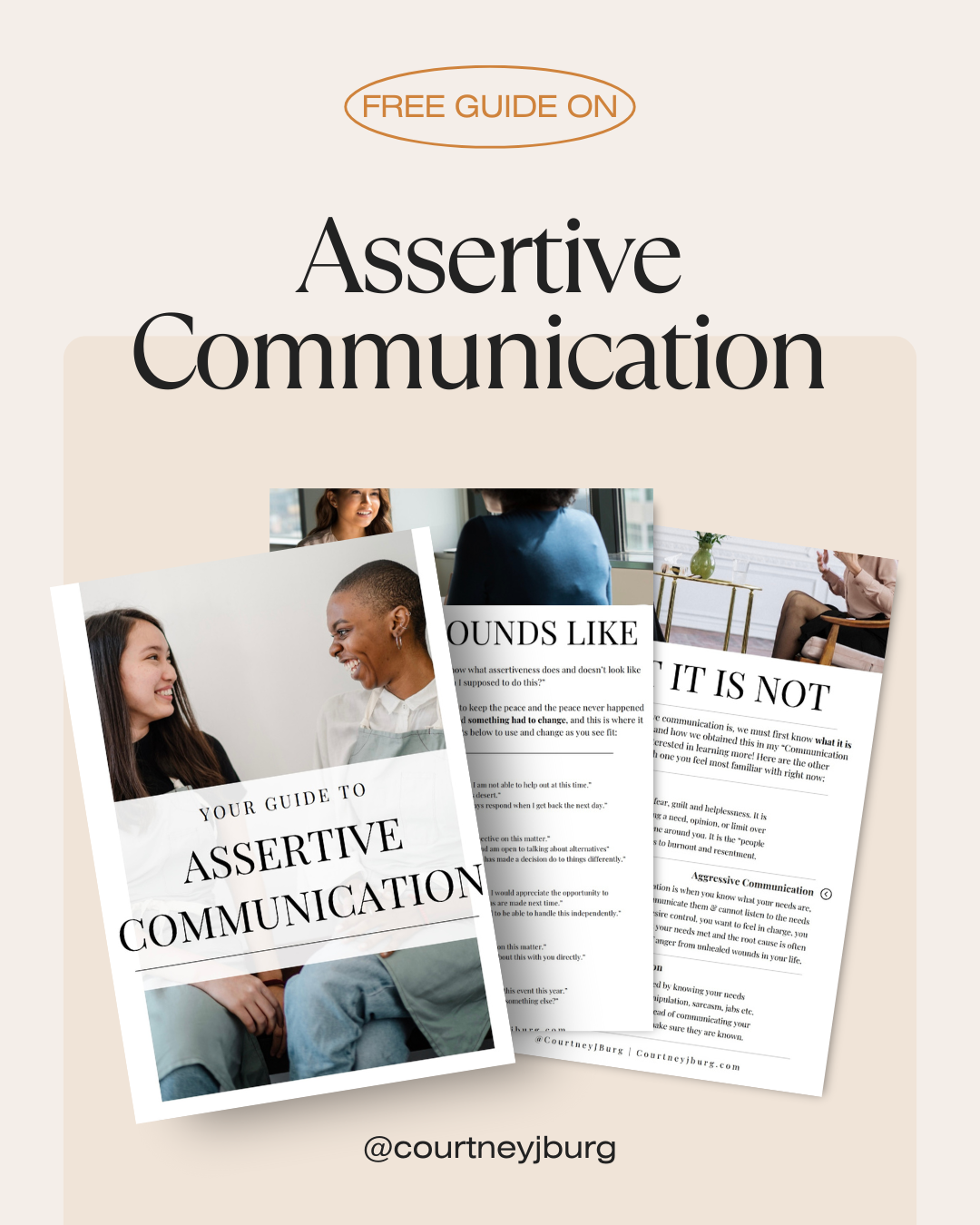
If navigating conflict is hard for you, or if you feel consumed with worry, fear or guilt when people around you don’t get along, you may want to check out my book Loyal to a Fault. Inside I share with you practical tools to help you communicate with confidence and clarity in ways that perhaps you weren’t modeled as a child. Consider also downloading my free guide below!
Free Guide to Assertive Communication
If you are a fellow people pleaser, someone who struggles with speaking your opinions clearly, or has learned along the way that your needs aren’t as important as others – know that you are not alone.
Assertive communication can feel so uncomfortable at first. It may also come as a shock to those around you, and you may have concerns about what they will think. We are going to dive into untangling all of the myths you have surrounding assertiveness and talk about why it serves both us and those around us.
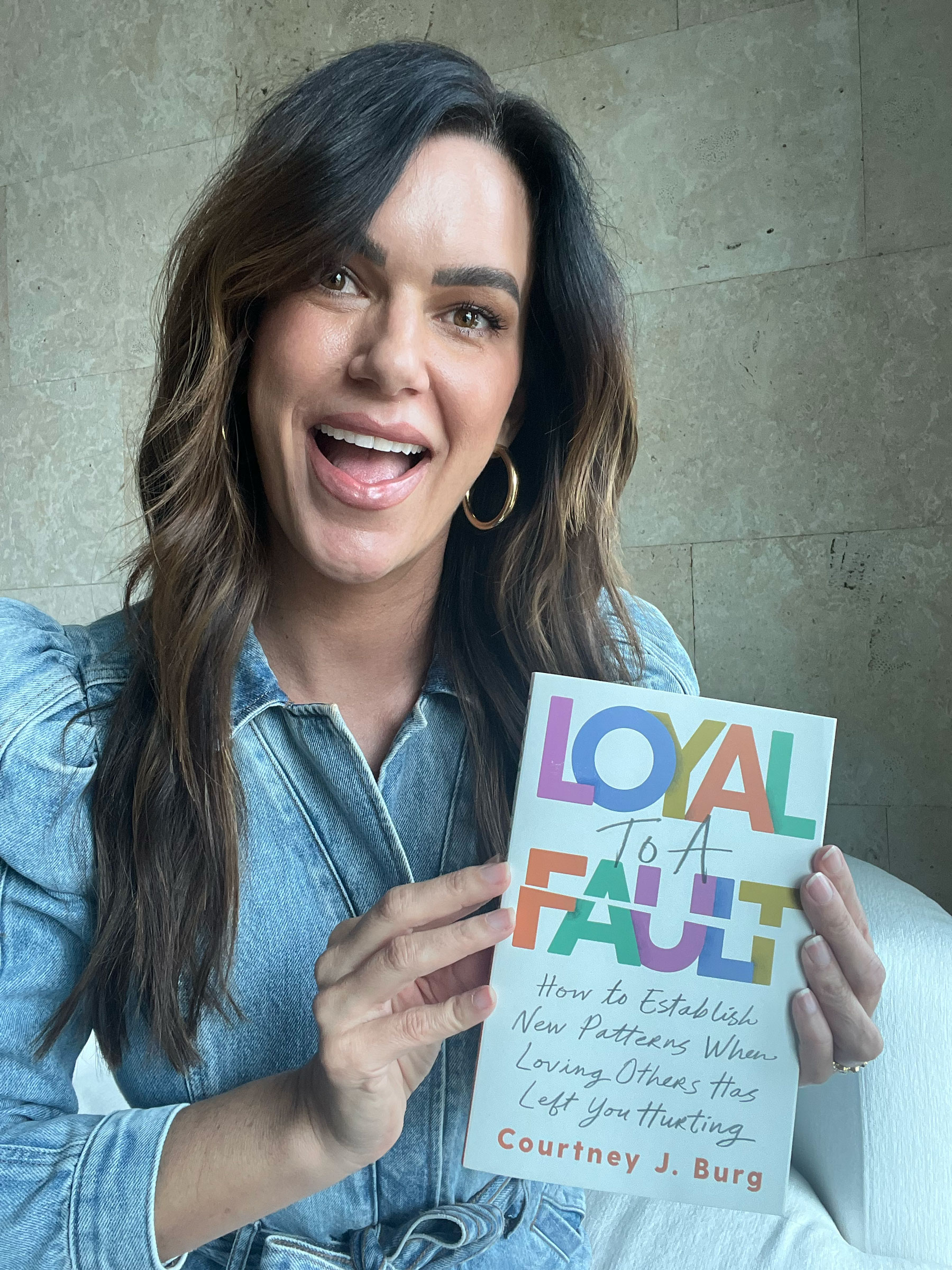
Order “Loyal to a Fault”
How to Establish New Patterns When Loving Others Has Left you Hurting